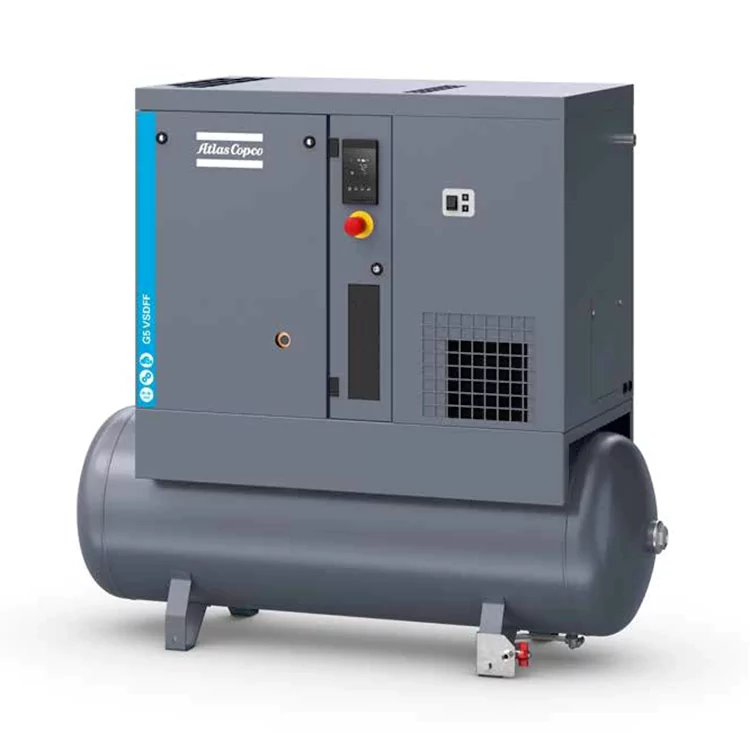

When people think about nitrogen and oxygen, they usually imagine gas cylinders used in hospitals, laboratories, or industrial sites. However, an interesting fact is that the nitrogen and oxygen we use every day are already surrounding us — they are the main components of the air we breathe.
So, how can industrial equipment produce high-purity nitrogen or oxygen from ordinary air? The answer lies in advanced air separation technology.
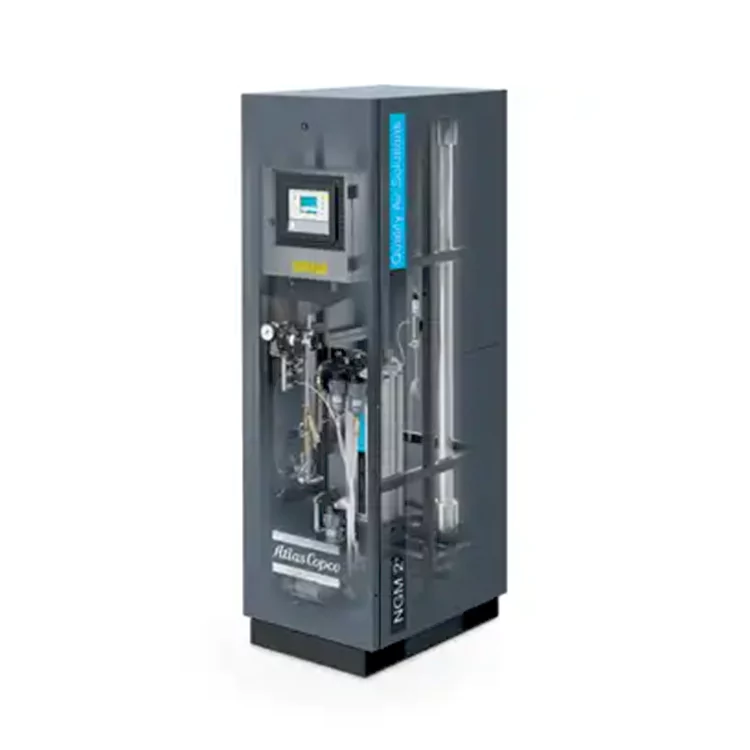
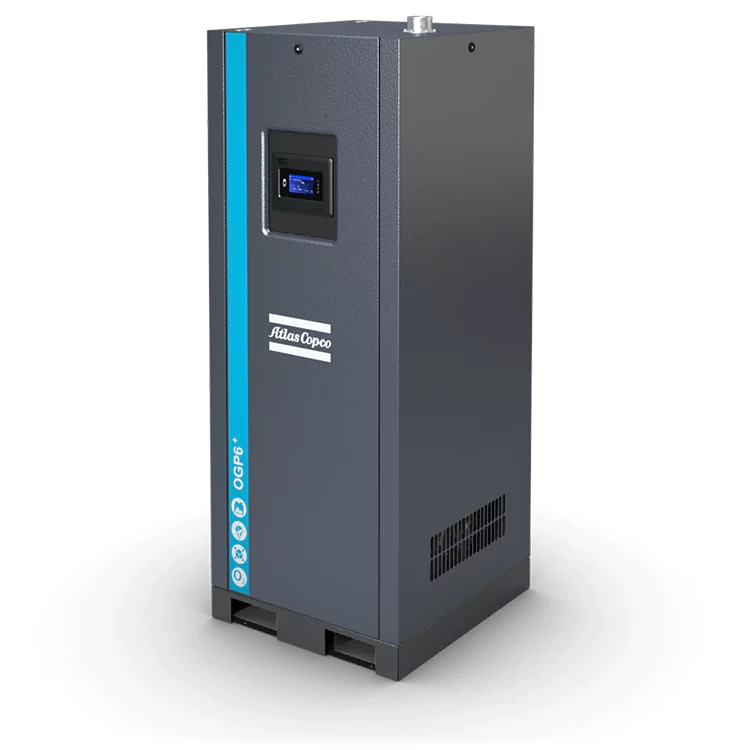
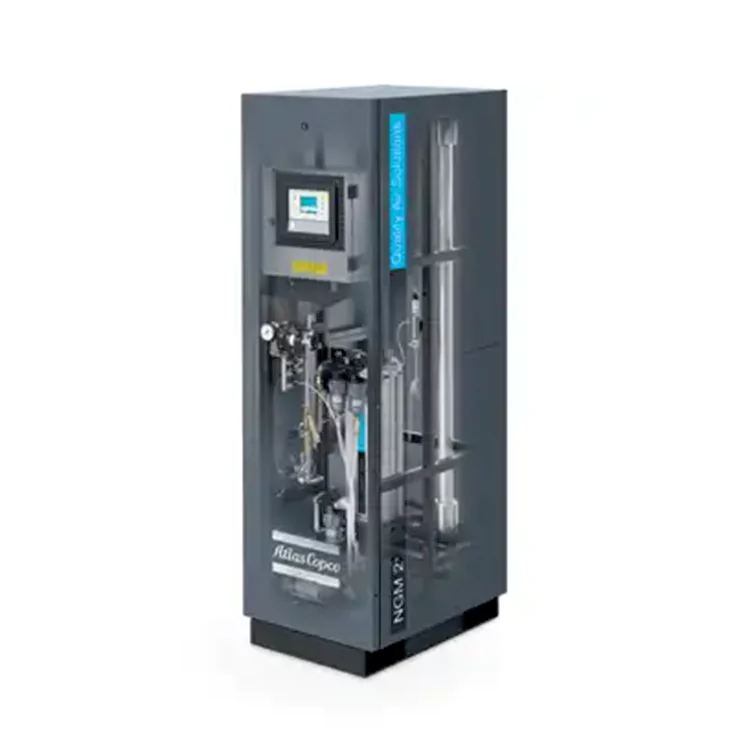
A Nitrogen and Oxygen Generator does not actually create new gas. Instead, it separates and concentrates specific components from compressed air, providing a continuous gas supply for different industries.
Air may look simple, but it is actually a mixture of several different gases.
| Gas Component | Approximate Percentage |
|---|---|
| Nitrogen (N₂) | About 78% |
| Oxygen (O₂) | About 21% |
| Argon and Other Gases | About 1% |
Since nitrogen and oxygen have different physical properties, modern technology can separate them through specialized processes.
This is the basic principle behind nitrogen generators and oxygen generators.
Most industrial nitrogen and oxygen generators use a technology called Pressure Swing Adsorption (PSA).
The basic process includes:
The entire process allows factories to produce gas directly on-site without depending entirely on external gas suppliers.
The key technology in PSA systems is the use of special adsorbent materials that can selectively capture certain gas molecules.
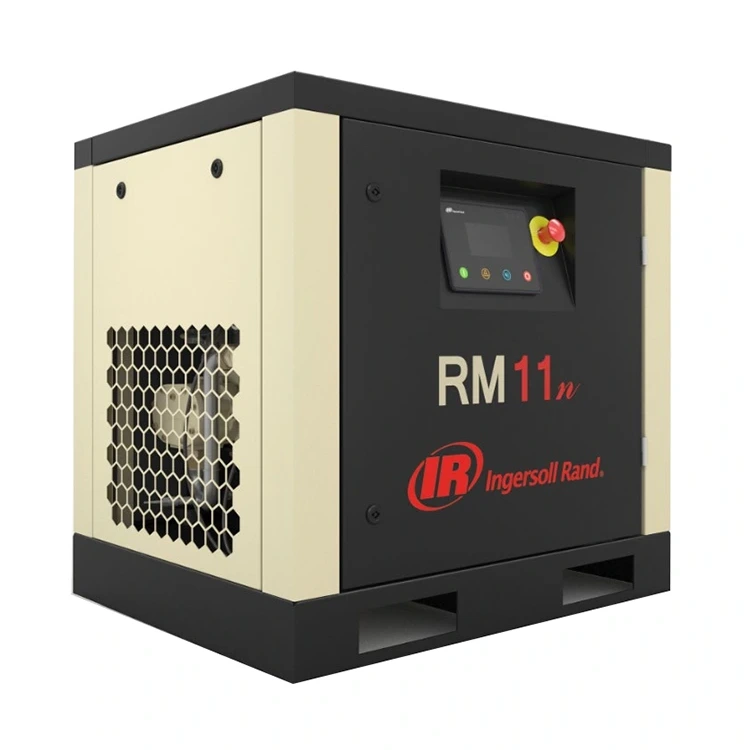
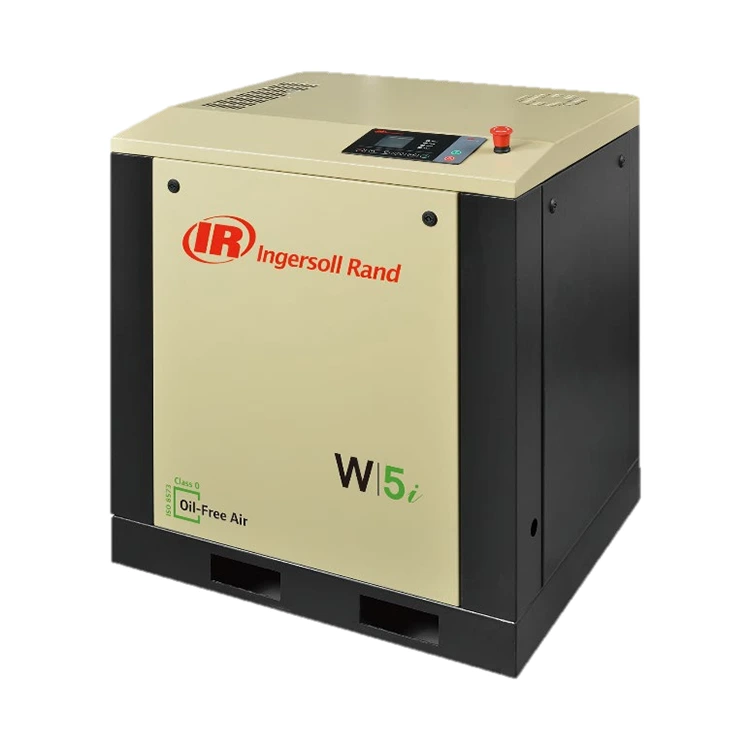
First, a compressor draws in surrounding air and increases its pressure.
Compressed air contains nitrogen, oxygen, and other gases, which then enter the separation system.
Inside the adsorption tower, special molecular sieves interact differently with each gas component.
For nitrogen generation:
For oxygen generation:
After reaching adsorption capacity, the system releases trapped gases through pressure reduction.
This regeneration process allows the adsorbent materials to be reused repeatedly.
By switching between different adsorption towers, PSA generators can provide continuous gas production.
Traditionally, many companies relied on purchased gas cylinders or liquid gas delivery.
However, on-site nitrogen and oxygen generation offers several advantages.
Factories can produce gas whenever needed instead of waiting for delivery schedules.
External gas supply requires:
On-site generation reduces dependence on these processes.
Different industries require different gas purity levels.
A generator allows users to adjust production according to application requirements.
Nitrogen is widely used in food packaging because it helps reduce oxidation and protect product freshness.
Common applications include:
Many electronic manufacturing processes require controlled environments to prevent oxidation.
Nitrogen is commonly used for:
Oxygen generators provide oxygen supply solutions for medical facilities and healthcare applications.
Reliable oxygen production is especially important in locations where traditional supply methods are inconvenient.
Oxygen is widely used in industrial processes such as:
Nitrogen is valued for its stable properties and is often used for:
One common misunderstanding is that gas generators manufacture nitrogen or oxygen.
In reality, they work more like advanced filters. They separate specific gases that already exist in the atmosphere.
This makes the process similar to sorting different materials from a mixture rather than creating something new.
The efficiency of a nitrogen or oxygen generator depends on several factors:
| Factor | Impact |
|---|---|
| Air Quality | Affects separation efficiency and equipment life |
| Compressed Air Quality | Influences system stability |
| Adsorbent Material | Determines separation performance |
| Operating Pressure | Affects output capacity |
| Maintenance | Helps maintain long-term performance |
As industries continue to focus on efficiency and energy saving, nitrogen and oxygen generation technology is also developing.
Future trends may include:
Nitrogen and oxygen generators reveal an interesting fact about modern engineering: valuable industrial gases are already present in the air around us.
Through advanced air separation technology, these systems can provide reliable, high-purity gas supplies for industries ranging from food production and electronics to healthcare and manufacturing.
Behind every nitrogen or oxygen generator is a combination of physics, material science, and engineering innovation that transforms ordinary air into an important industrial resource.